


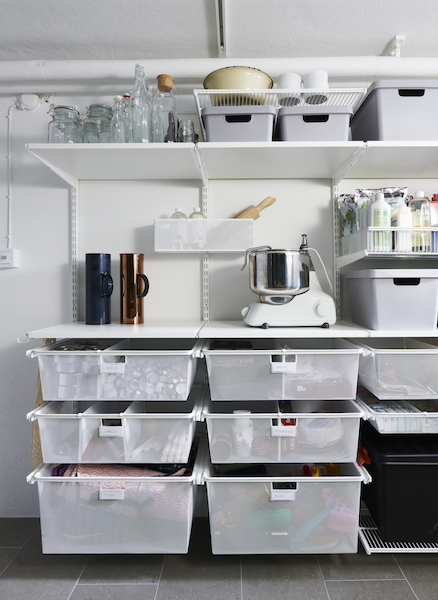
Organize your Abstellraum effectively with expert tips. Learn practical strategies for decluttering, sorting, and maximizing storage space.
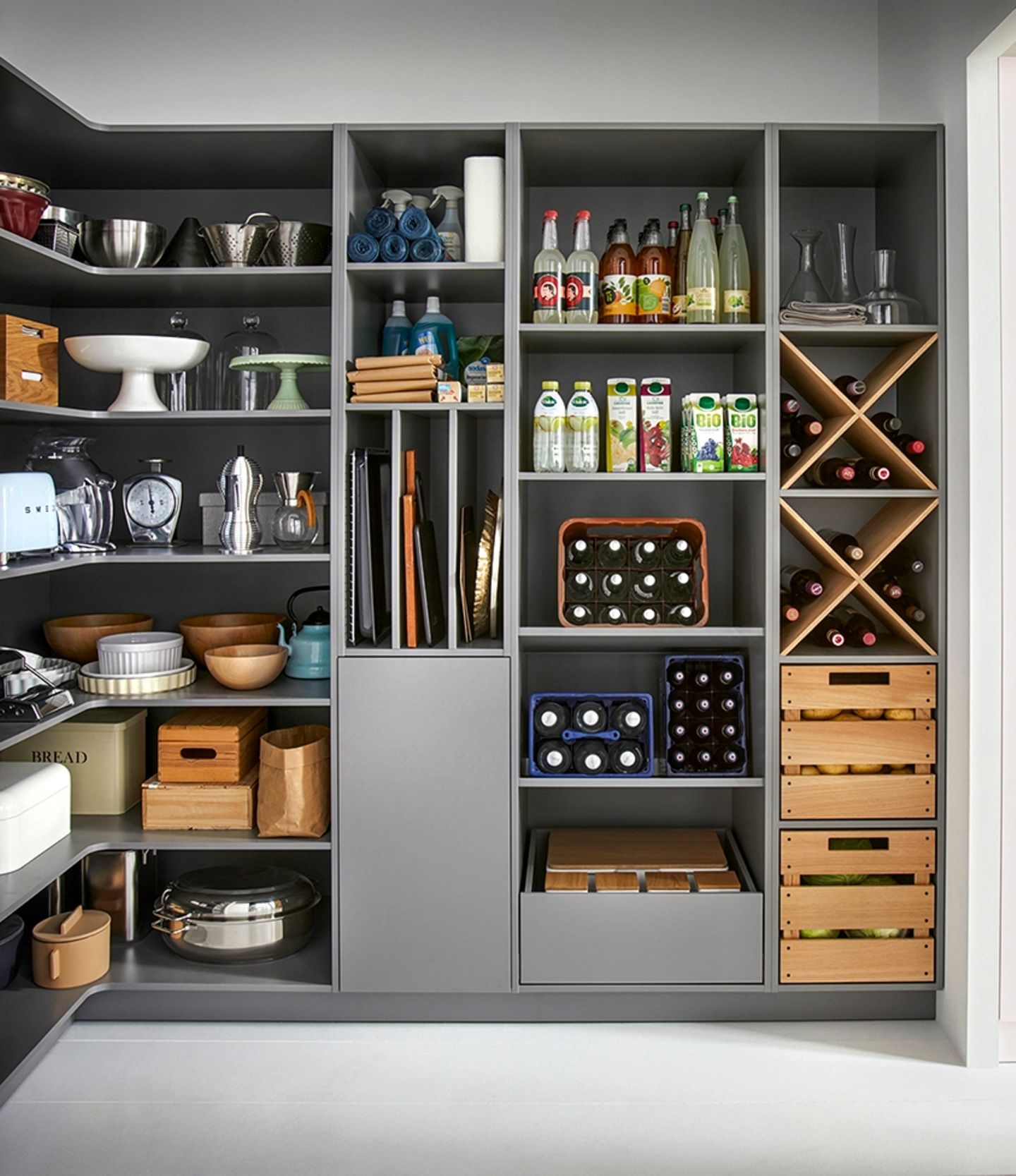
A disorganized storage room, or “Abstellraum” as it’s known in German-speaking countries, can quickly become a source of frustration. From my experience helping clients in both Europe and the US, a dedicated storage space often collects items without much thought, leading to clutter and wasted potential. Learning to Abstellraum organisieren is less about finding the perfect container and more about a methodical approach to sorting, categorizing, and maintaining. It requires a clear strategy and a willingness to let go of items that no longer serve a purpose.
Overview
- Start with a complete empty-out to properly assess all items.
- Categorize items into groups for keeping, donating, recycling, or discarding.
- Implement vertical storage solutions to maximize wall space.
- Use transparent containers or clearly labeled bins for easy identification.
- Assign a specific “home” for every item to prevent future disarray.
- Conduct regular, small decluttering sessions to maintain order.
- Consider the functionality and accessibility of frequently used items.
- Invest in durable shelving and modular systems for flexibility.
Initial Steps for Abstellraum organisieren
The first and most crucial step when you decide to Abstellraum organisieren is to empty everything out. This may seem daunting, but it provides a clean slate and allows you to truly see everything you own. Pull every single item from the room and place it in an adjacent, larger area if possible, like a hallway or garage. This creates a temporary mess, but it’s essential for a thorough sorting process. Once the room is empty, give it a good clean. Wipe down shelves, sweep the floor, and address any cobwebs or dust. A clean space motivates better organization.
Next, group similar items together. All tools in one pile, cleaning supplies in another, seasonal decorations, sporting goods, spare linens, etc. Seeing these groups helps you understand the volume of each category. This is also the perfect time to evaluate each item. Ask yourself: When did I last use this? Does it still work? Is it serving a purpose? Do I have another item that does the same thing? Be honest with your answers. This evaluation forms the foundation of effective decluttering.
Essential Tools for Efficient Storage
Once items are sorted, it’s time to think about smart storage solutions. You don’t need fancy gadgets, but the right tools make a significant difference. Sturdy shelving units are paramount. Adjustable shelves are ideal as they offer flexibility for various item sizes. Wall-mounted shelving can free up floor space, especially beneficial in smaller Abstellraums. Clear plastic bins with lids are excellent for visible storage, protecting contents from dust and pests while allowing you to see what’s inside without opening every box.
Labeling is another powerful tool. Use a label maker or simple masking tape and a marker to clearly identify the contents of each bin, shelf, or drawer. This saves time and prevents you from rummaging through multiple containers. Hooks, pegboards, and overhead storage racks are also highly effective for utilizing vertical space, especially for items like brooms, garden tools, or folding chairs. Think about the functionality of each item and how easily it needs to be accessed.
Practical Tips for Maintaining Your Organized Storage Space
After you successfully Abstellraum organisieren, the real challenge begins: maintaining that order. This isn’t a one-time event; it’s an ongoing process. A crucial tip is to assign every item a “home.” When you take something out, make it a habit to return it to its designated spot immediately after use. This simple act prevents clutter from accumulating bit by bit. Regularly scheduled check-ins, perhaps once a month for just 15-20 minutes, can make a huge difference. Use this time to quickly tidy up, re-shelve misplaced items, and perform a mini-declutter.
Another strategy is to avoid the “just in case” mentality. Often, people hold onto broken items or things they might use someday. These items consume valuable space. If something is broken and you haven’t fixed it within six months, it’s likely time to let it go. Similarly, if you haven’t used an item in over a year, seriously question its necessity. Being disciplined about what enters and stays in the Abstellraum is vital for long-term organization.
Advanced Strategies for Sustainable Abstellraum organisieren
To truly master your storage area, consider incorporating sustainable organizational habits. When purchasing new items, think about where they will live in your Abstellraum before bringing them home. This mindful acquisition prevents new clutter. For seasonal items, like holiday decorations or camping gear, dedicate specific, clearly labeled containers that are easy to access when needed and store away neatly otherwise. Implementing a “one in, one out” rule can also be very effective; if you buy something new, you must part with an old item of the same type.
Finally, involve other household members in the organization and maintenance process. When everyone understands the system and participates, the burden doesn’t fall on one person. Clearly communicate the location of items and the importance of returning things to their proper place. Teaching children these habits early can also make a significant impact on keeping shared storage spaces functional and tidy. A well-organized Abstellraum contributes positively to the overall efficiency and calm of your living environment.