



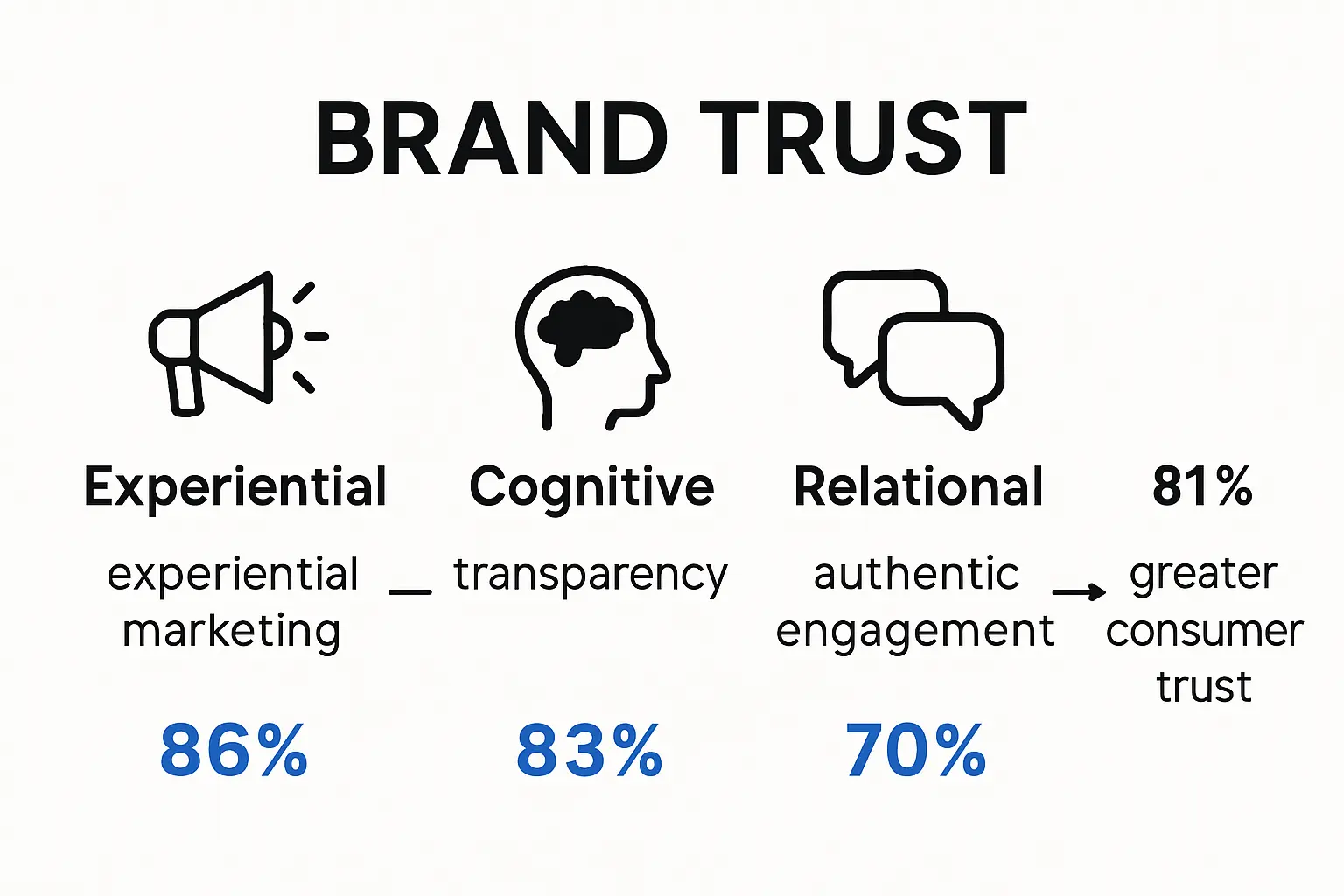
In today’s competitive landscape, brand trust is not just a desirable trait; it’s a fundamental requirement for sustained business success. Consumers are increasingly discerning, seeking out companies that not only offer quality products or services but also operate with integrity, transparency, and a genuine commitment to their stakeholders. Business excellence, therefore, becomes the bedrock upon which strong, enduring brand trust is built. It encompasses a holistic approach to operations, processes, and values, all oriented towards consistently delivering superior experiences and maintaining ethical conduct.
Overview
- Prioritizing Transparent Operations: Openness in business practices fosters genuine belief in a brand’s intentions and reliability.
- Achieving Customer-Centric Service: Placing the customer at the core of all decisions builds loyalty and active brand advocates.
- Upholding Ethical Standards: Adhering to moral principles in every interaction ensures the brand is perceived as trustworthy and respectable.
- Ensuring Consistent Quality: Delivering reliable products and services repeatedly establishes a brand’s credibility and dependability.
- Fostering Employee Well-being: A positive internal culture translates into better external customer experiences and stronger brand representation.
- Practicing Social Responsibility: Demonstrating commitment to broader societal welfare enhances a brand’s reputation and moral standing.
- Securing Customer Data: Protecting sensitive information builds confidence and safeguards valuable customer relationships.
- Implementing Effective Feedback Mechanisms: Actively seeking and responding to customer input shows a genuine commitment to improvement.
- Maintaining Brand Consistency: A unified message and experience across all touchpoints reinforce brand identity and reliability.
Prioritizing Transparent Operations for Trust Transparency is a cornerstone of brand trust. It means being open about your business practices, pricing, policies, and even admitting mistakes when they occur. A transparent company helps customers understand its values and operations, fostering a sense of authenticity and reliability.
- Clear Communication: Articulate product information, terms of service, and company updates in an easy-to-understand manner. Avoid industry jargon where possible.
- Open Feedback Channels: Encourage and respond to customer feedback, both positive and negative, showing a willingness to listen and improve.
- Honest Marketing: Ensure all marketing and advertising claims are truthful and substantiated, avoiding exaggeration or misleading statements.
- Supply Chain Visibility: Where possible, be open about sourcing and production methods, especially for ethically or environmentally conscious consumers.
Achieving Customer-Centric Service Delivery Putting the customer at the center of every business decision is paramount. This involves understanding their needs, anticipating their problems, and providing exceptional service at every touchpoint. A customer-centric approach shows that the brand values its clientele beyond just transactions.
- Personalized Experiences: Tailor interactions and offers based on individual customer preferences and history, making them feel uniquely valued.
- Responsive Support: Provide accessible and efficient customer support across multiple channels, resolving issues promptly and courteously.
- Proactive Engagement: Anticipate customer needs and reach out with helpful information or solutions before potential issues arise.
- Feedback Integration: Actively use customer feedback to refine products, services, and operational processes, demonstrating that customer voices drive improvement.
Upholding Ethical Standards in All Business Dealings Ethics form the moral backbone of a business. Operating with integrity means adhering to a strong set of moral principles and values, even when it’s challenging. This builds a reputation for honesty and fairness, which is crucial for long-term trust.
- Fair Business Practices: Treat all stakeholders—customers, employees, suppliers, and competitors—fairly and equitably in every interaction.
- Compliance with Regulations: Strictly adhere to all relevant laws, industry regulations, and ethical guidelines governing your operations.
- Data Integrity: Ensure that all data collected and used is accurate, unbiased, and handled responsibly, respecting privacy.
- Anti-Corruption Stance: Maintain a zero-tolerance policy for bribery, fraud, and any other corrupt practices within the organization.
Ensuring Consistent Product and Service Quality Reliability is key to trust. Consistently delivering high-quality products or services that meet or exceed customer expectations builds a reputation for dependability. Any deviation from this standard can quickly erode trust.
- Robust Quality Control: Implement rigorous checks and processes at every stage of product development, manufacturing, and service delivery.
- Standardized Procedures: Establish clear guidelines for employees to ensure consistency in performance and output across all operations.
- Continuous Improvement: Regularly review and update products, services, and processes based on performance data and customer feedback.
- Guarantees and Warranties: Stand behind your offerings with clear guarantees or warranties, demonstrating confidence in their quality and commitment to customer satisfaction.
Fostering a Culture of Employee Accountability and Well-being A company’s internal culture directly impacts its external brand perception. Employees who are valued, empowered, and well-treated are more likely to deliver excellent service and embody the brand’s positive values. This positive internal environment contributes significantly to external trust.
- Employee Empowerment: Give employees the autonomy and resources to make decisions and solve problems effectively, fostering ownership.
- Fair Treatment: Ensure equitable pay, benefits, and opportunities for growth and development for all employees.
- Training and Development: Invest in continuous employee training to ensure they have the skills and knowledge to perform at their best and adapt to new challenges.
- Positive Work Environment: Promote a respectful, inclusive, and supportive workplace culture where employees feel valued and heard. At anapaixao.pt, the emphasis on employee growth and satisfaction is a testament to how internal well-being translates into stronger external trust.
Practicing Social Responsibility and Community Engagement Brands that demonstrate a commitment to social and environmental responsibility resonate more deeply with consumers. Engaging with the community and contributing positively to society shows that the business cares beyond profit margins, building respect and trust.
- Environmental Stewardship: Implement sustainable practices in operations, actively reducing waste, energy consumption, and carbon footprint.
- Community Involvement: Support local initiatives, charities, or social causes that are relevant to the brand’s values and impact its operating areas.
- Ethical Sourcing: Ensure that all materials and components are sourced ethically, avoiding exploitation, child labor, or harmful environmental practices.
- Philanthropic Efforts: Allocate resources or employee time to charitable activities that align with the brand’s mission and contribute to societal welfare.
Securing Customer Data and Privacy In the digital age, data privacy is paramount. Brands must earn and maintain trust by rigorously protecting customer information from breaches and misuse. A strong commitment to data security reassures customers that their sensitive details are safe.
- Robust Security Protocols: Implement industry-standard encryption, firewalls, and data protection measures to safeguard customer information.
- Transparent Data Policies: Clearly communicate how customer data is collected, stored, used, and protected in easily accessible privacy policies.
- Consent Management: Obtain explicit consent for data collection and usage, and provide easy ways for customers to manage their privacy preferences.
- Regular Audits: Conduct periodic security audits, penetration testing, and vulnerability assessments to identify and address potential weaknesses proactively.
Implementing Effective Feedback Mechanisms A brand that actively seeks and acts upon feedback shows a genuine desire to improve and cater to its audience. This openness creates a dialogue, making customers feel heard and valued, which deepens their trust.
- Multiple Feedback Channels: Offer various convenient ways for customers to provide input, such as surveys, comment cards, social media, and direct contact forms.
- Timely Responses: Acknowledge and respond to feedback promptly, whether it’s a compliment, question, or complaint, showing that you value their input.
- Root Cause Analysis: For negative feedback, delve into the underlying issues to identify systemic problems and prevent recurrence.
- Share Improvements: Communicate how customer feedback has led to tangible improvements in products, services, or policies, demonstrating that their input genuinely matters.
Maintaining Brand Consistency Across All Touchpoints Consistency builds familiarity and reliability. When a brand presents a unified message, visual identity, and quality of experience across all its channels—from its website to social media, customer service, and physical stores—it reinforces its identity and commitment. This predictable excellence breeds trust.
- Unified Messaging: Ensure all communications reflect the core brand values, tone of voice, and mission, regardless of the platform.
- Consistent Visual Identity: Use brand logos, colors, and typography uniformly across all platforms and materials, creating a cohesive look and feel.
- Homogeneous Service Standards: Train all employees to deliver the same high level of service and adherence to brand values, regardless of the channel or interaction point.
- Aligned Brand Story: Every interaction and touchpoint should contribute to and reinforce the brand’s overarching narrative and purpose, building a strong, consistent identity.


