




Learn how to effectively minimize Online Broker Gebühren with our expert analysis. Identify hidden costs and make informed choices to save money.
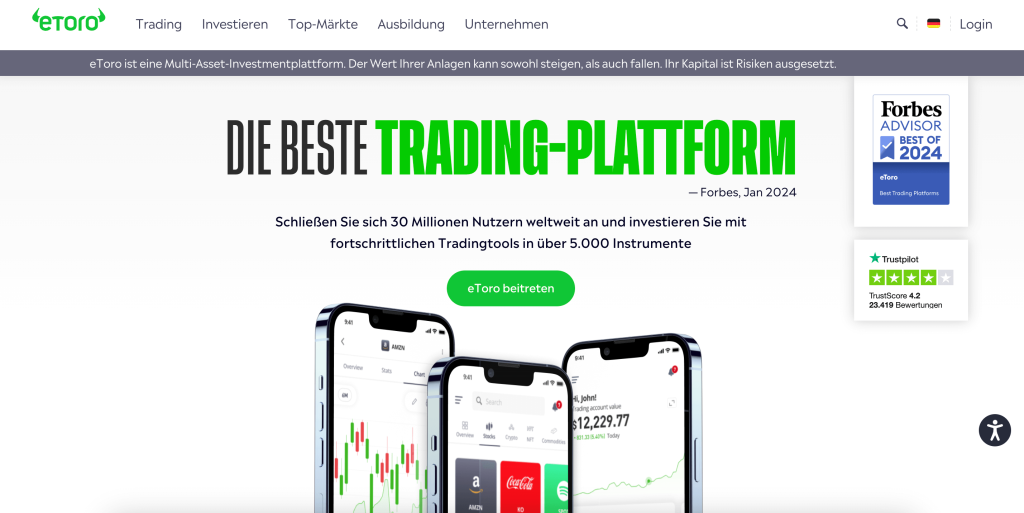
Investors frequently face costs when managing their portfolios through online platforms. Understanding these charges is crucial for maximizing returns. My experience shows that overlooked expenses can significantly erode profits over time. Savvy investors analyze every potential fee point before committing to a brokerage. This proactive approach saves money and builds confidence in investment decisions.
Overview:
- Online Broker Gebühren encompass a wide range of costs, from commissions to maintenance fees.
- Actively comparing brokers and their fee structures is essential for cost minimization.
- Transaction costs, like commissions for stock or ETF trades, vary greatly between platforms.
- Inactivity fees or account maintenance fees can unexpectedly impact long-term holdings.
- Understanding currency conversion spreads and foreign exchange fees is vital for international investments.
- Leveraging commission-free options, where applicable, can drastically reduce overall trading expenses.
- The impact of trading frequency on total costs should always be evaluated.
Understanding Different Types of Online Broker Gebühren
When engaging with online trading platforms, recognizing the various types of Online Broker Gebühren is the first step towards smarter investing. Many investors initially focus solely on trading commissions. However, a deeper look reveals a spectrum of potential charges. Common fees include commissions for stock, ETF, or options trades, though many platforms now offer commission-free trading for specific assets, particularly in the US market. Be cautious, as “commission-free” often means the broker generates revenue through payment for order flow or other less transparent methods.
Beyond transaction costs, investors might encounter account maintenance fees, which are often waived for accounts meeting certain balance or activity thresholds. Inactivity fees can surprise those who hold positions for extended periods without executing new trades. For international investing, currency conversion fees or spreads on foreign exchange transactions can add up quickly. Transfer fees for moving assets between brokers or withdrawal fees also exist. Knowing these potential costs allows for better financial planning and helps avoid unexpected deductions from your investment capital. Each platform’s fee schedule deserves thorough review before funding an account.
Strategies to Reduce Your Online Broker Gebühren
Reducing your Online Broker Gebühren requires a strategic approach rather than passive acceptance of default charges. One effective strategy is consolidating your accounts. Spreading investments across multiple brokers can lead to duplicate maintenance or inactivity fees. By keeping assets with a single platform, you might meet higher tier requirements for fee waivers or reduced rates. Another powerful tactic involves choosing brokers that genuinely align with your trading style. If you trade frequently, a low-commission or commission-free model is paramount. For long-term investors, focusing on platforms with no inactivity or maintenance fees is more beneficial.
Leveraging specific asset types also helps. Many brokers offer commission-free ETFs or mutual funds, which can be a significant advantage for dollar-cost averaging strategies. Always read the fine print; sometimes, these “free” options come with proprietary fund requirements or redemption fees if sold too soon. Minimizing foreign exchange conversions by investing directly in US-denominated assets where possible can also save money. Before making any transaction, verify the associated costs. Small, recurring fees compound over time, making a noticeable difference to your overall portfolio performance.
The Impact of Trading Frequency on Costs
The frequency with which you execute trades profoundly affects your overall investment costs. Active traders, those who buy and sell often, incur more transaction fees, even on platforms boasting low commissions. While a single trade might seem inexpensive, multiple trades each week or month quickly accumulate substantial costs. This is particularly true for options or futures trading, where contract fees can add up rapidly. Long-term investors, who adopt a buy-and-hold strategy, inherently minimize these transaction-related expenses. Their focus shifts more towards expense ratios of funds and long-term account maintenance fees, which are often negligible or waived.
Consider the compounding effect of these frequent charges. A small fee on each trade, when applied to hundreds of transactions annually, can drastically cut into your net returns. It’s not just the direct commission; bid-ask spreads, especially in less liquid assets, can also represent an implicit cost of frequent trading. Before adopting an active trading strategy, carefully model the projected costs against your anticipated returns. Sometimes, a slightly less active approach, or choosing a different asset class, can lead to significantly better net performance due to reduced frictional costs.
Comparing Broker Platforms Based on Online Broker Gebühren
A critical step in minimizing investment expenses involves systematically comparing broker platforms based on their Online Broker Gebühren structures. This isn’t a one-size-fits-all exercise; the “best” broker depends entirely on your individual investment habits. For equity investors focusing on US stocks, many prominent platforms now offer zero-commission trading. However, for those interested in international stocks, bonds, or complex derivatives, fee structures diverge significantly. Some brokers might charge per trade, others a percentage of the transaction value, and some use a tiered system based on volume.
I routinely advise clients to create a hypothetical portfolio and simulate their typical trading activity across several platforms. This allows for a direct comparison of total projected costs. Pay close attention to hidden fees like data subscriptions, margin interest rates, or account transfer fees, which are sometimes overlooked in initial comparisons. Broker review sites and financial publications often provide valuable insights into current fee trends and user experiences. Remember that fee structures can change, so periodically re-evaluating your chosen broker’s cost model against competitors is a prudent practice to ensure you’re always getting the most cost-effective service for your investment needs.


