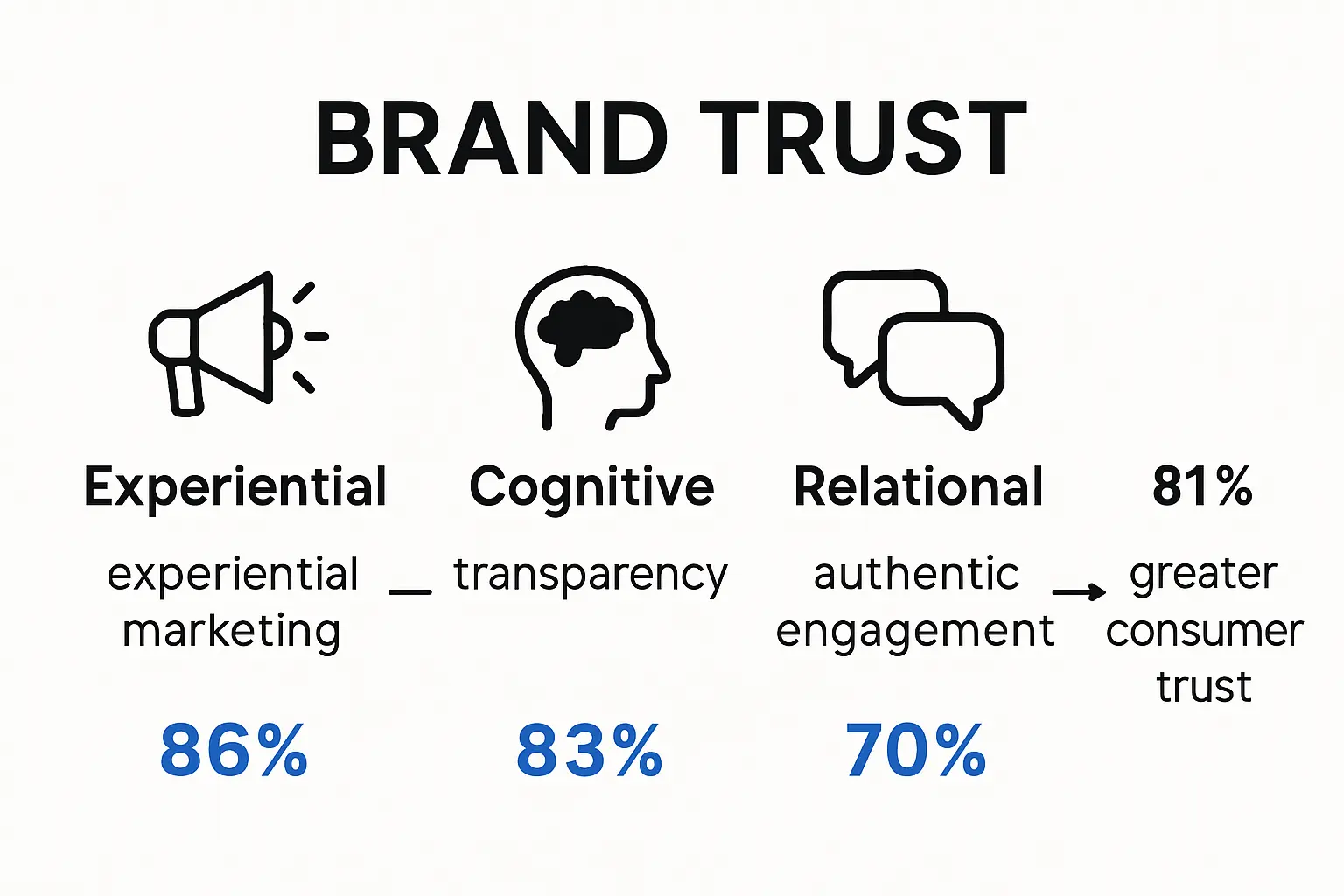


Business excellence is not merely about achieving operational efficiency or maximizing profits; it is fundamentally about cultivating deep, enduring customer trust. In today’s competitive landscape, where options abound and information spreads instantly, trust serves as the cornerstone of customer loyalty and long-term business viability. Businesses that consistently prioritize customer well-being through transparent practices, reliable offerings, and genuine engagement are the ones that build strong relationships and stand out. Achieving this requires a deliberate commitment to practices that demonstrate integrity, reliability, and a true understanding of customer needs.
Overview
- Businesses build trust by being consistently transparent in all communications and operations.
- Delivering high-quality products and services repeatedly assures customers of reliability and value.
- Proactive and empathetic customer support is crucial for building and maintaining positive relationships.
- Robust measures for data privacy and security are essential to protect customer information and uphold confidence.
- Operating with strong ethical principles and social responsibility strengthens a business’s reputation and appeal.
- Continuously gathering and acting on customer feedback shows responsiveness and a commitment to improvement.
- Personalizing interactions and understanding individual customer requirements fosters deeper connections and loyalty.
Building Trust Through Transparency and Open Communication
Openness is key to fostering belief. Customers appreciate businesses that are upfront about their products, services, pricing, policies, and any potential issues. This means clear, jargon-free communication on websites, in marketing materials, and during interactions. When a product is out of stock, or a service will be delayed, communicating this proactively, along with realistic timelines and potential solutions, prevents frustration and reinforces honesty. Transparency also extends to how a business operates internally, especially regarding data usage and privacy, ensuring customers feel respected and informed. A business that communicates clearly, much like a well-organized platform such as camilasilva.pt, earns respect and trust.
Delivering Consistent Quality and Value
Reliability is a powerful trust-builder. Customers expect consistency in the quality of products and services they receive. Meeting or exceeding these expectations every single time establishes a business as dependable. This involves meticulous quality control processes, rigorous training for employees, and a continuous focus on improving standards. Value, in this context, extends beyond just competitive pricing; it encompasses the overall experience, durability, effectiveness, and support associated with the offering. When customers consistently receive high quality and feel they are getting good value for their investment, their trust in the brand deepens, leading to repeat business and positive recommendations.
Prioritizing Proactive Customer Support and Engagement
Exceptional customer support is not just about resolving issues when they arise; it’s about anticipating needs and engaging proactively. This involves making support channels easily accessible, responding promptly to inquiries, and empowering support teams to offer effective solutions. Proactive engagement can mean sending helpful tips related to a purchased product, checking in after a service, or offering personalized assistance. When customers feel heard, valued, and that their concerns are addressed with empathy and efficiency, it significantly boosts their confidence in the business. A responsive and caring approach turns potential frustrations into opportunities to solidify trust.
Ensuring Robust Data Privacy and Security Measures
In the digital era, safeguarding customer data is paramount. Businesses must implement strong security protocols to protect sensitive information from breaches and misuse. Being transparent about data collection practices, obtaining explicit consent, and providing clear options for customers to manage their data are non-negotiable. Customers need assurance that their personal and financial details are secure and handled responsibly. Any lapse in data security can severely erode trust, making it difficult for a business to recover its reputation. A commitment to robust privacy measures demonstrates respect for customer autonomy and privacy.
Upholding Ethical Business Conduct and Social Responsibility
Modern customers increasingly align themselves with businesses that reflect their values. Operating with integrity in all aspects of the business, from supply chain ethics and fair labor practices to environmental stewardship and honest marketing, builds a strong ethical foundation. Businesses that take responsibility for their impact on society and the environment often gain a loyal following. Demonstrating a genuine commitment to social causes or ethical sourcing practices can create a powerful emotional connection with customers, proving that the business cares about more than just its bottom line. This kind of integrity fosters a deep sense of respect and trust.
Fostering Continuous Improvement and Responsiveness to Feedback
Businesses that actively seek and respond to customer feedback demonstrate a commitment to serving their audience better. Establishing clear channels for feedback, such as surveys, direct communication, or social media monitoring, is important. More crucial, however, is the visible implementation of changes based on this input. When customers see that their suggestions lead to tangible improvements in products, services, or processes, it reinforces their belief that the business values their opinion and is dedicated to evolving for their benefit. This ongoing dialogue and adaptation create a dynamic relationship built on mutual respect and shared progress.
Cultivating Personalization and Understanding Individual Needs
Treating customers as unique individuals rather than anonymous transactions is powerful. Utilizing customer data responsibly to personalize interactions, recommendations, and communications shows that a business genuinely understands and cares about specific needs and preferences. This might involve tailoring product suggestions, remembering past purchases, or offering customized service options. Personalization moves beyond generic interactions to create a more meaningful and relevant experience. When customers feel truly understood and valued on an individual level, it strengthens their connection to the brand and fosters a sense of loyalty that goes beyond mere transactional satisfaction.