


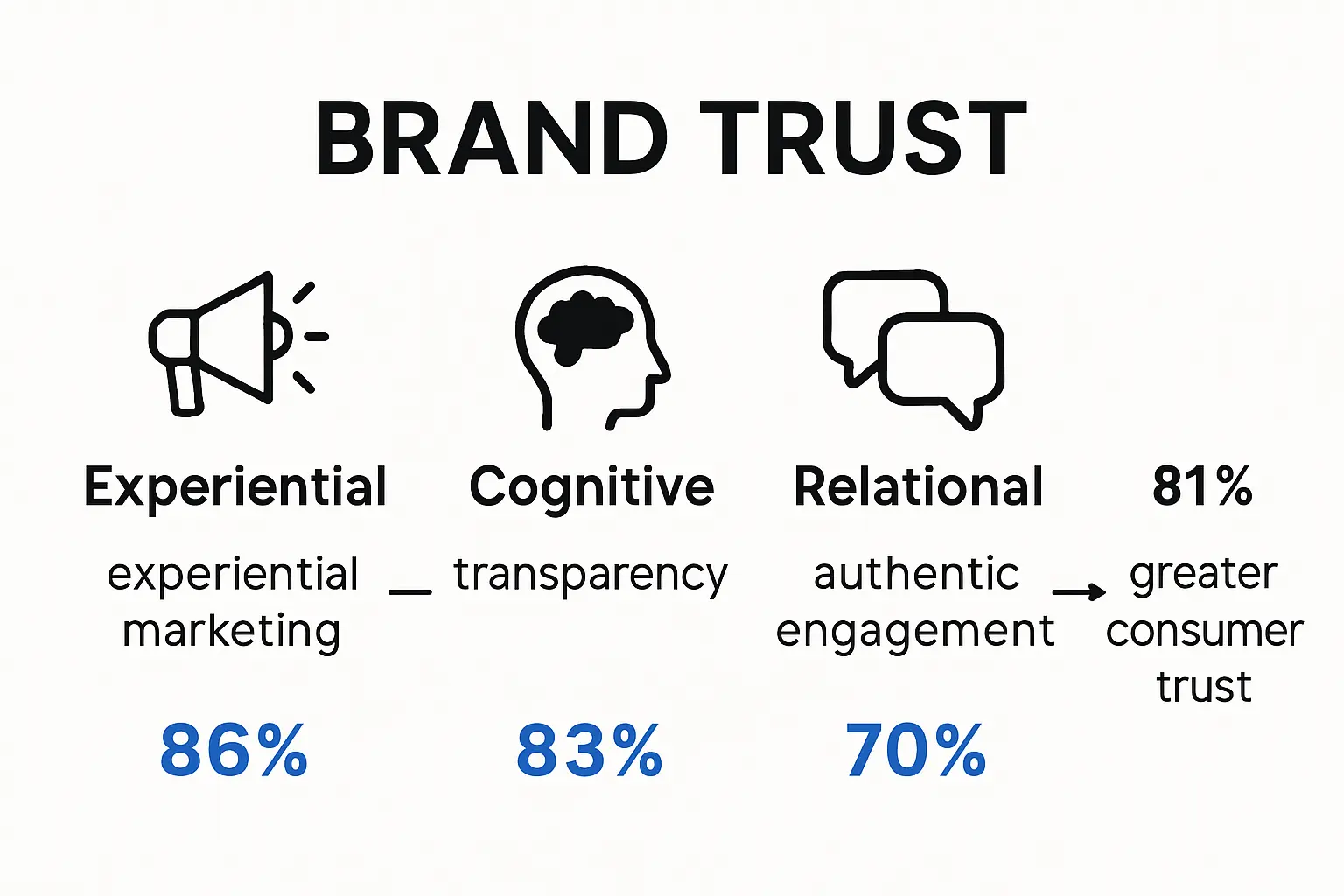

In today’s competitive landscape, business credibility is not merely an asset; it is the foundation upon which lasting success is built. Customers, partners, and employees alike are drawn to organizations that consistently demonstrate integrity, competence, and reliability. Establishing and maintaining a reputation for excellence requires deliberate actions and a commitment to core values that extend beyond just products or services. It involves a systematic approach to operations, communication, and stakeholder engagement, ensuring every interaction reinforces trust and strengthens the company’s standing.
Overview
- Credibility is built through consistent transparent communication with all stakeholders.
- Maintaining high, consistent quality in products and services is fundamental to trustworthiness.
- Ethical behavior and a commitment to corporate social responsibility are crucial for public perception.
- Responsive and genuine customer service fosters strong, loyal relationships.
- Investing in employees creates a knowledgeable, motivated workforce that reflects positively on the business.
- Businesses must be agile and committed to ongoing improvement to stay relevant and trusted.
- Taking responsibility for mistakes and resolving issues promptly reinforces accountability.
- Protecting sensitive data and adhering to privacy regulations is paramount for consumer confidence.
- Establishing expertise and sharing valuable insights positions a business as a reliable authority.
Prioritizing Transparent Communication Open and honest communication forms the bedrock of any credible business. This means clearly articulating company policies, product features, and service limitations without ambiguity. It involves promptly sharing updates, both positive and challenging, with customers, investors, and employees. For instance, when a product recall occurs or a service disruption is anticipated, a credible business communicates proactively, explaining the situation, outlining steps for resolution, and managing expectations. This approach reduces uncertainty and fosters a sense of trust, as stakeholders feel informed and respected. Businesses that communicate with clarity avoid speculation and build a perception of genuine openness.
Delivering Consistent Product and Service Quality Credibility is directly tied to the reliability of what a business offers. Consumers expect products to function as advertised and services to be delivered as promised, every single time. Achieving this consistency requires robust quality control systems, continuous process improvement, and a commitment to meeting or exceeding industry standards. A business known for its dependable quality avoids the erosion of trust that comes from frequent defects, service failures, or unmet expectations. This unwavering commitment to excellence ensures that customers feel confident in their purchase decisions and become repeat clients, further solidifying the business’s reputation.
Fostering Ethical Conduct and Corporate Responsibility Operating with integrity is non-negotiable for building credibility. This encompasses adhering to all laws and regulations, upholding ethical standards in all business dealings, and demonstrating social responsibility. Companies that prioritize fair labor practices, environmental stewardship, and community engagement are often viewed more favorably. This commitment to ethical conduct extends to advertising practices, data handling, and internal company culture. When a business consistently acts morally, it demonstrates a deeper commitment to its values beyond profit margins, earning respect and trust from a wider audience. Such practices are fundamental to long-term success.
Building Strong Customer Relationships Through Responsiveness Exceptional customer service and responsiveness play a critical role in establishing and maintaining credibility. This involves actively listening to customer feedback, addressing concerns promptly and courteously, and going the extra mile to resolve issues. A business that responds quickly to inquiries, provides helpful support, and makes customers feel valued demonstrates that it cares about their experience beyond the point of sale. This commitment to customer satisfaction not only resolves immediate problems but also builds loyalty and positive word-of-mouth, which are powerful credibility boosters.
Investing in Employee Development and Well-being A credible business understands that its employees are its greatest ambassadors. Investing in their training, professional development, and overall well-being leads to a more knowledgeable, motivated, and engaged workforce. Employees who feel valued and supported are more likely to deliver excellent service, innovate, and represent the company positively. This internal strength translates externally into a reputation for quality and competence. A stable, skilled, and satisfied workforce reflects positively on the company’s culture and its ability to consistently deliver on its promises.
Embracing Adaptability and Continuous Improvement The business world is constantly evolving, and credible organizations are those that demonstrate an ability to adapt and improve. This involves regularly reviewing processes, soliciting feedback, and implementing changes to stay relevant and efficient. A company that actively seeks ways to do better, whether through technological adoption or refining operational workflows, shows a proactive commitment to excellence. This willingness to evolve, rather than stagnate, reassures stakeholders that the business is forward-thinking and committed to long-term viability. For instance, many businesses, like those seeking guidance at tiraolhos.pt, recognize the importance of regularly auditing their practices to identify areas for growth and uphold high standards.
Demonstrating Accountability and Timely Resolution Mistakes are inevitable, but how a business handles them profoundly impacts its credibility. A credible organization takes full responsibility for its errors, avoids making excuses, and acts swiftly to rectify the situation. This includes transparently communicating what went wrong, outlining the steps being taken to fix it, and offering appropriate restitution when necessary. Prompt and effective problem resolution not only minimizes damage but can also turn a negative experience into an opportunity to strengthen trust, as it showcases the business’s integrity and commitment to making things right.
Upholding Data Privacy and Security Standards In an era of increasing data breaches and privacy concerns, a business’s commitment to protecting sensitive information is paramount for credibility. This involves implementing robust cybersecurity measures, adhering to data protection regulations like GDPR or CCPA, and clearly communicating how customer data is collected, stored, and used. A credible business instills confidence by demonstrating that it treats personal and proprietary information with the utmost care, safeguarding it from unauthorized access and misuse. This builds trust, especially in digital interactions, and protects the company’s reputation from the fallout of security lapses.
Cultivating a Reputation for Thought Leadership Becoming a recognized authority in its field significantly boosts a business’s credibility. This is achieved by sharing valuable insights, contributing to industry discourse, and demonstrating deep expertise. Through whitepapers, webinars, public speaking, or contributing to industry publications, a company can position itself as a knowledgeable and reliable source of information. This not only attracts new clients but also reinforces trust with existing stakeholders, who see the business as a leader and innovator, not just a service provider.

