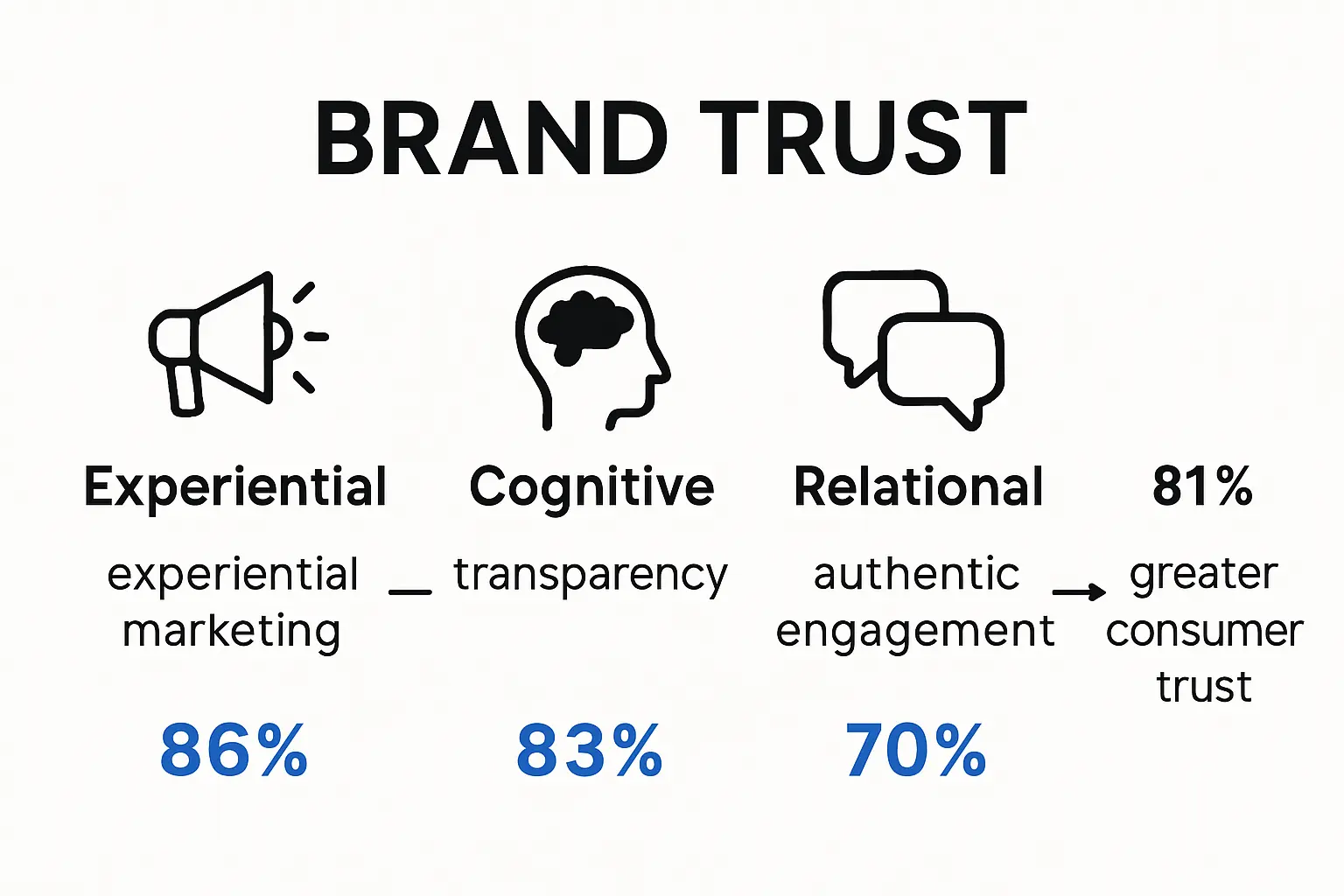


Business excellence is not merely a goal but a continuous organizational commitment to achieving outstanding results and maintaining a competitive edge over the long term. It involves integrating best practices across all operational aspects, from leadership and customer relations to process efficiency and innovation. Organizations that consistently pursue excellence build resilience, foster trust, and secure their position in dynamic markets, ensuring sustained growth and relevance.
Overview
- Cultivating a culture that values continuous improvement and learning is fundamental for adapting to change.
- Prioritizing customer needs and actively seeking feedback drives product development and service delivery.
- Investing in strategic innovation keeps businesses ahead of market trends and creates new value propositions.
- Empowering employees through strong leadership fosters engagement, productivity, and a sense of ownership.
- Utilizing data analytics for informed and agile decision-making is crucial for optimizing performance and mitigating risks.
- Building strong ethical foundations and upholding social responsibility enhances brand reputation and stakeholder trust.
- Effective resource management, including financial and human capital, underpins sustainable growth and operational stability.
Fostering a Culture of Continuous Improvement
A foundational element of business excellence is embedding a mindset of continuous improvement throughout the entire organization. This means every team member, from frontline staff to senior leadership, is encouraged to identify inefficiencies, suggest better ways of working, and actively participate in problem-solving. Methodologies such as Lean principles or Six Sigma can provide frameworks, but the core lies in a genuine desire to learn, adapt, and refine processes. Regular performance reviews, open communication channels, and celebrating incremental gains help reinforce this culture. By consistently seeking to do things better, companies can reduce waste, enhance quality, and increase overall operational efficiency, making them more agile and responsive to market demands.
Customer-Centric Operations as a Core Pillar
Long-term success hinges on understanding and meeting customer needs with exceptional precision and care. A customer-centric approach means placing the customer at the heart of every business decision, from product design and service delivery to marketing and support. This involves actively soliciting feedback through surveys, direct interactions, and social listening, then using these insights to refine offerings and anticipate future demands. Delivering consistently high-quality products and services, coupled with outstanding customer service, builds strong relationships and fosters loyalty. Satisfied customers become advocates, driving repeat business and positive word-of-mouth, which are invaluable assets for sustained growth and market reputation.
Strategic Innovation for Market Leadership
Innovation is not just about groundbreaking inventions; it encompasses new approaches to existing processes, business models, and customer experiences. For long-term success, businesses must strategically invest in innovation, whether through dedicated research and development, fostering an internal culture of creativity, or collaborating with external partners. Staying informed about technological advancements, market trends, and emerging customer preferences is vital. Strategic innovation allows a company to differentiate itself from competitors, create unique value propositions, and open up new revenue streams. This proactive stance prevents stagnation and positions the business as a leader rather than a follower, ensuring its offerings remain relevant and compelling.
Effective Leadership and Employee Empowerment
Strong, visionary leadership is crucial in setting the direction and values for an organization striving for excellence. Effective leaders communicate clearly, inspire confidence, and provide the necessary resources and support for their teams to succeed. Equally important is employee empowerment, which involves delegating responsibility, trusting individuals to make decisions, and encouraging ownership of tasks and projects. Investing in ongoing training, skill development, and career growth opportunities for employees fosters a highly motivated and capable workforce. When employees feel valued, respected, and empowered, they are more engaged, productive, and committed to achieving the company’s objectives, contributing significantly to overall business excellence. Businesses often utilize specialized platforms and consulting services, like those offered by powerboss.pt, to optimize their leadership training and employee development programs.
Data-Driven Decision Making for Agility
In today’s complex business environment, relying on intuition alone is insufficient for sustained success. Data-driven decision making involves systematically collecting, analyzing, and interpreting relevant data to inform strategic and operational choices. This means setting clear metrics, implementing robust analytics tools, and fostering a culture where decisions are backed by evidence rather than assumptions. From understanding market trends and customer behavior to optimizing internal processes and financial performance, data provides actionable insights. This approach enables businesses to respond more rapidly and effectively to market shifts, identify new opportunities, mitigate risks, and allocate resources more efficiently, thereby enhancing overall agility and competitiveness.
Building Robust Ethical Foundations and Social Responsibility
Beyond profit, businesses aiming for long-term excellence must operate on a strong foundation of ethics and social responsibility. This includes transparency in all dealings, integrity in conduct, and accountability for actions. Upholding high ethical standards builds trust with customers, employees, investors, and the wider community. Corporate social responsibility (CSR), which involves contributing positively to society and the environment, further enhances a company’s reputation and brand value. Sustainable practices, fair labor policies, and community engagement initiatives are not just good for public relations; they attract top talent, foster customer loyalty, and contribute to a more stable and supportive operating environment, ensuring the business’s longevity and positive societal impact.